Challenge Prizes and Democracy
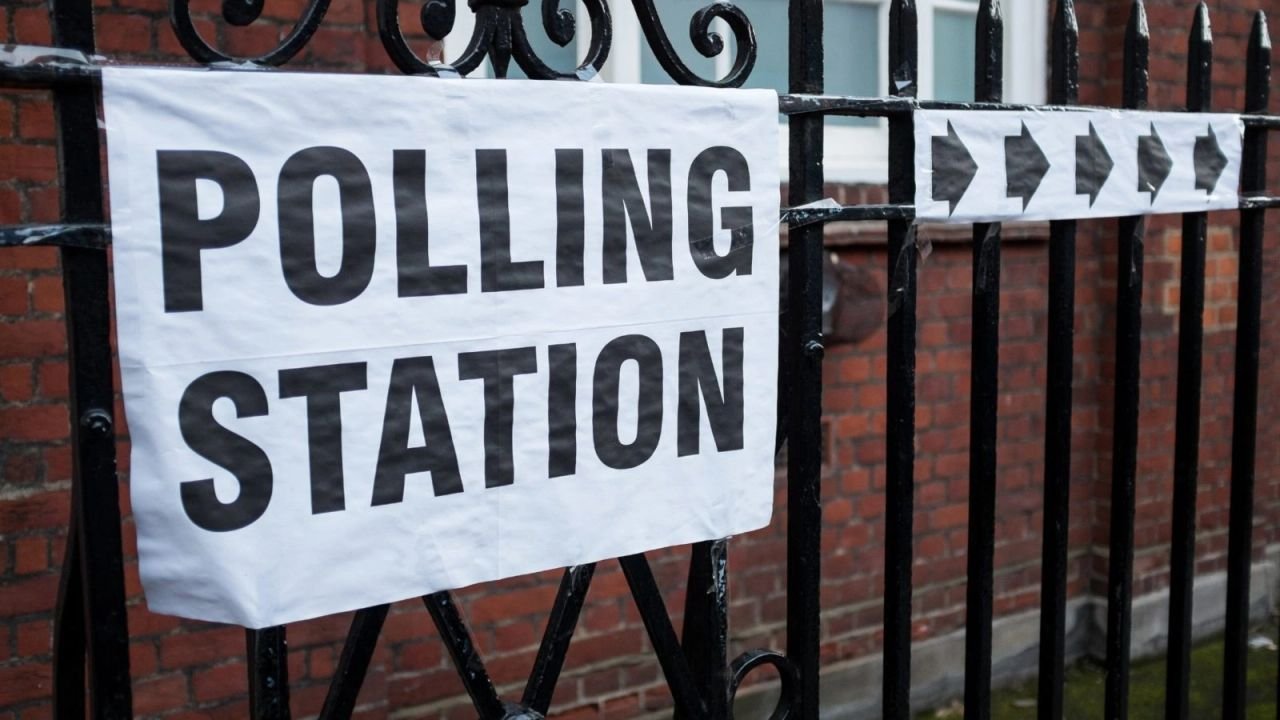
Published in partnership with Challenge Works
Only 19% of young British adults believe that democracy serves them well[1].
There’s a lot to unpack as to what’s going on. We think that at least PART of the problem with our democracy is an innovation problem.
The social and technological context in which our democracy functions is rapidly changing. There were already problems to tackle around patchy engagement and unequal turnout. And there are new challenges to face amidst a changing media landscape, international tech incursions, weakening trust and a changing civic culture.
Tech could and should have huge positive potential for enhancing civic engagement - yet its role in democracy is overshadowed by the negative impacts of social media on misinformation and social fragmentation. Our institutions are going to have to evolve if they are going to secure engagement and buy-in from all citizens. After exploring whether challenge prizes would be a useful tool, we’ve come to the conclusion that they can help identify and accelerate urgently needed new solutions.
We can broadly cluster potential innovation needs around three themes:
- electoral democracy (everything to do with voting at the ballot box);
- everyday democracy (engaging citizens in other civic activities between elections);
- news and media (so that citizens have access the information they need, want and trust).
We spoke informally with innovators, funders and expert observers from across these sectors. Britain has a rich democratic tradition, well-embedded institutions and an existing innovator community to build on in each of these areas. So we wondered whether we would hear that there were solutions aplenty, and what was really lacking was socio-political will, consensus, leadership, vision.
But loud and clear, we heard that those working at the frontline as officials, activists or policy-makers see lots of areas where we need diverse cohorts of innovators to tackle problems afresh. Some of the areas we got most excited about were:
- Accessibility at the ballot box: supporting the innovations that will better support disabled voters to engage in democracy, building on our work on assistive tech
- Usable news: identifying the innovators and business models that can tackle news deserts, local information gaps and misinformation, building on our work on the Future News Fund
- Innovation for registration: As changes take place to voting rules, there’s huge opportunity to use a prize model to incentivise innovation in how voters are reached and registered
- Paths to power: developing new mechanisms to identify, coordinate and support civic leaders from underrepresented groups
Challenge prizes often work best when there’s a tech element to them. There are plenty of reasons to be careful, and a simplistic view that tech solutions can fix complex problems is unhelpful and frustrating. There are plenty of great existing tech innovations, and other ideas have failed for good reasons. Any tech prizes need to be carefully designed alongside the users, innovators and experts who have already spent decades understanding where the real gaps are. Structured partnership innovation can help, for example in the Affordable Credit Challenge when community lenders worked alongside fintech firms to develop solutions neither side could have developed alone. There are potential parallels across the democracy sector where grassroots experts need to be supported and resourced to work with carefully selected external innovators.
“Fixing democracy” obviously isn’t a matter for one competition. From Challenge Works' experience over a decade of designing and leading high-profile prizes across diverse sectors and communities, we know that challenge prizes work best when extremely carefully targeted. They can then focus attention on where new solutions are most urgent and bring in diverse new groups of innovators while shining a spotlight on a problem more broadly.
We think government and philanthropists have significant opportunity for bold leadership. We focused our exploratory conversations on the UK, but there are similar issues across the world. Prizes could work well when focused on one specific geography, or across a few countries where collaboration should be encouraged.
Thanks to all those who shared their expertise. If you’re a potential partner who wants to explore how a challenge prize can tackle your piece of our democratic puzzle – get in touch.
[1] https://www.ippr.org/files/2022-04/road-to-renewal-april22.pdf p.23